Leveson: an expensive hiding to nothing
Public inquiries cost a fortune, take forever and rarely change anything
June 14, 2012
The Joneses are thousands of pounds in debt. The children need new school uniforms, there isn't enough cash to pay the woman who comes to look after their ageing grandmother, and the car has failed its MoT. Most of the neighbours are in the same boat. Times are tough.
In the living room there is a television set. It's not brilliant - the picture and sound quality are a bit iffy - but it's just about done the job for the past few years. Even with all the other pressing demands on their bank accounts, the family is thinking about replacing it, so Mrs Jones decides to commission a personal shopper to find a new one.
She wants an independent opinion, so she doesn't approach anyone with any background in making or selling televisions. Having chosen the man for the job, the family asks him to look into DVDs and home cinemas while he's at it. He should conduct his research as widely and thoroughly as possible - but even when he reaches his conclusions, the Joneses may ignore his advice. Everyone thinks it's a great idea.
Well it's obviously utterly bonkers. Money down the drain.
But here we have a Government up to its ears in debt, austerity all round, limited funds for education, health or transport and the swirling crisis in Europe threatening to make things worse.
Yet we're happy to spend anything up to £50m - enough to rebuild five delapidated secondary schools - on trying to put a leash around the country's most important watchdog: the Press. And incidentally allow everyone to join in the fun of the official hounding of Rupert Murdoch.
The Joneses are thousands of pounds in debt. The children need new school uniforms, there isn't enough cash to pay the woman who comes to look after their ageing grandmother, and the car has failed its MoT. Most of the neighbours are in the same boat. Times are tough.
In the living room there is a television set. It's not brilliant - the picture and sound quality are a bit iffy - but it's just about done the job for the past few years. Even with all the other pressing demands on their bank accounts, the family is thinking about replacing it, so Mrs Jones decides to commission a personal shopper to find a new one.
She wants an independent opinion, so she doesn't approach anyone with any background in making or selling televisions. Having chosen the man for the job, the family asks him to look into DVDs and home cinemas while he's at it. He should conduct his research as widely and thoroughly as possible - but even when he reaches his conclusions, the Joneses may ignore his advice. Everyone thinks it's a great idea.
Well it's obviously utterly bonkers. Money down the drain.
But here we have a Government up to its ears in debt, austerity all round, limited funds for education, health or transport and the swirling crisis in Europe threatening to make things worse.
Yet we're happy to spend anything up to £50m - enough to rebuild five delapidated secondary schools - on trying to put a leash around the country's most important watchdog: the Press. And incidentally allow everyone to join in the fun of the official hounding of Rupert Murdoch.
|
The News of the World should not have hacked into anybody's phone. But when people found out that it had done so, no one really cared.
There wasn't even much outrage when it turned out that it was Prince William's phone that had been tapped. When the Guardian suggested that many more people had had their calls intercepted, the claims were treated with disbelief and brushed aside. But the newspaper was dogged in its pursuit of the story and eventually the wider |
|
truth emerged. The former head of the Professional Footballers' Association was paid a huge sum in compensation after he threatened to sue for intrusion - a sum that was assumed to have included 'hush money', or to put it more formally, a confidentiality clause; common practice in cases settled out of court.
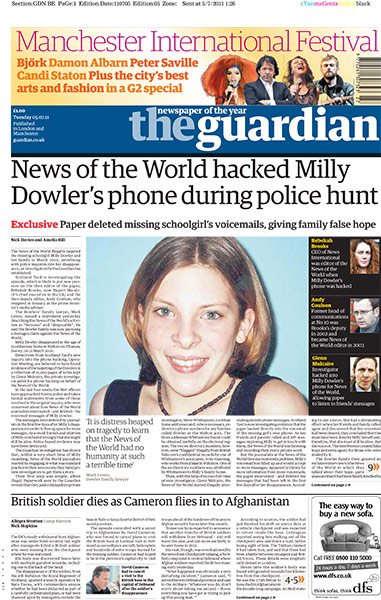
A procession of celebrities came forward to say that they, too, had suffered invasions of their privacy - but there were still few people beyond the Guardian offices who cared much. Millions of readers continued to buy the redtops without questioning where all the showbiz gossip came from. Until the parents of Milly Dowler said that her voicemails had been erased, giving them false hope that she was still alive when in fact she was long dead.
A procession of celebrities came forward to say that they, too, had suffered invasions of their privacy - but there were still few people beyond the Guardian offices who cared much. Millions of readers continued to buy the redtops without questioning where all the showbiz gossip came from. Until the parents of Milly Dowler said that her voicemails had been erased, giving them false hope that she was still alive when in fact she was long dead.
|
Suddenly everyone was overcome with righteousness. The police belatedly swung into action, and promptly went into overdrive. The News of the World was closed down. People started asking questions about the Prime Minister's judgment in appointing a former editor of the paper as his communications chief. Resignations and arrests followed.
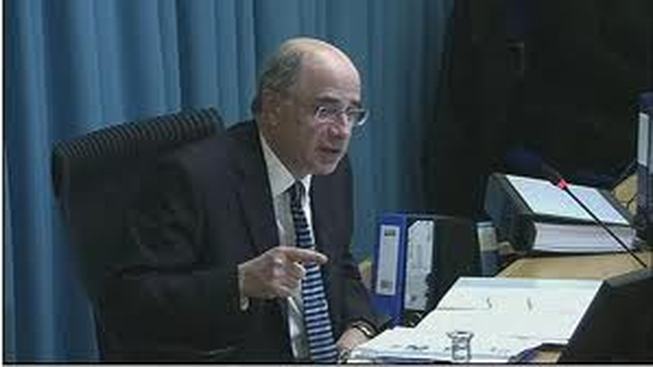
When you have a furore such as this, it doesn't take long for someone (usually Her Majesty's loyal Opposition) to cry 'There must be a full public inquiry.' And so it came to pass that Lord Justice Leveson was charged with examining the culture and ethics of the Press, the relationship between the Press and the police, and the relationship of the Press and politicians. He has further been asked to come up with a new regulatory system to replace the Press Complaints Commission. We are obsessed with public inquiries, royal commissions and judicial reviews and we never learn: they rarely reveal much that we didn't know and even less frequently bring about effective change. |
In 1981 Lord Scarman conducted an inquiry into the causes of the Brixton riots and concluded that relations between the police and the community - particularly the black community - had broken down and needed a fundamental rethink. As a result of his report, the independent Police Complaints Authority was set up.
Eighteen years later Sir William Macpherson was asked to examine the way the police had investigated the murder of Stephen Lawrence. The inquiry cost £4m and Sir William concluded that the Metropolitan Police were institutionally racist and that relations with the community had broken down. So much for Scarman.Suddenly everyone was overcome with righteousness. The police belatedly swung into action, and promptly went into overdrive. The News of the World was closed down. People started asking questions about the Prime Minister's judgment in appointing a former editor of the paper as his communications chief. Resignations and arrests followed.
When you have a furore such as this, it doesn't take long for someone (usually Her Majesty's loyal Opposition) to cry 'There must be a full public inquiry.' And so it came to pass that Lord Justice Leveson was charged with examining the culture and ethics of the Press, the relationship between the Press and the police, and the relationship of the Press and politicians. He has further been asked to come up with a new regulatory system to replace the Press Complaints Commission.
We are obsessed with public inquiries, royal commissions and judicial reviews and we never learn: they rarely reveal much that we didn't know already and even less frequently bring about effective change.
In 1981 Lord Scarman conducted an inquiry into the causes of the Brixton riots and concluded that relations between the police and the community - particularly the black community - had broken down and needed a fundamental rethink. As a result of his report, the independent Police Complaints Authority was set up.
Eighteen years later Sir William Macpherson was asked to examine the way the police had investigated the murder of Stephen Lawrence. The inquiry cost £4m and Sir William concluded that the Metropolitan Police were institutionally racist and that relations with the community had broken down. So much for Scarman.
In 1973 the Daily Mirror published an unprecedented 'shock issue' on the life and death of Maria Colwell. I can visualise it to this day. Maria was given up to foster parents as a baby and lived with them until she was five. Then her mother decided she wanted her back. The child was abused and starved until one day her mother's boyfriend came home and found Maria watching television. Her punishment was to be battered and kicked to death. She was six years old. William Kepple was jailed for eight years for manslaughter, a sentence reduced to four on appeal.
The case appalled the nation and Sir Thomas Field-Fisher led a public inquiry that brought some changes in the law. The inquiry revealed a pattern of events that is now all too familiar: care professionals incapable of joined-up thinking, social workers being fobbed off by parents who could get a degree in lying, doctors and nurses not being alert to suspicious bruising and broken bones.
We know what happens not just from the fate of Maria Colwell, but from the inquiries into the deaths of Jasmine Beckford, Tyra Henry, Victoria Climbie, Baby P. But have these investigations taught us how to save such children? Sadly not. What we have learnt is to blame overstretched social services officials when the real villains are the bastards who kill the children. And we gasp in astonishment when one dares to fight back, as Sharon Shoesmith did after being publicly tried and convicted by Ed Balls before a word had been given in evidence.
Eighteen years later Sir William Macpherson was asked to examine the way the police had investigated the murder of Stephen Lawrence. The inquiry cost £4m and Sir William concluded that the Metropolitan Police were institutionally racist and that relations with the community had broken down. So much for Scarman.Suddenly everyone was overcome with righteousness. The police belatedly swung into action, and promptly went into overdrive. The News of the World was closed down. People started asking questions about the Prime Minister's judgment in appointing a former editor of the paper as his communications chief. Resignations and arrests followed.
When you have a furore such as this, it doesn't take long for someone (usually Her Majesty's loyal Opposition) to cry 'There must be a full public inquiry.' And so it came to pass that Lord Justice Leveson was charged with examining the culture and ethics of the Press, the relationship between the Press and the police, and the relationship of the Press and politicians. He has further been asked to come up with a new regulatory system to replace the Press Complaints Commission.
We are obsessed with public inquiries, royal commissions and judicial reviews and we never learn: they rarely reveal much that we didn't know already and even less frequently bring about effective change.
In 1981 Lord Scarman conducted an inquiry into the causes of the Brixton riots and concluded that relations between the police and the community - particularly the black community - had broken down and needed a fundamental rethink. As a result of his report, the independent Police Complaints Authority was set up.
Eighteen years later Sir William Macpherson was asked to examine the way the police had investigated the murder of Stephen Lawrence. The inquiry cost £4m and Sir William concluded that the Metropolitan Police were institutionally racist and that relations with the community had broken down. So much for Scarman.
In 1973 the Daily Mirror published an unprecedented 'shock issue' on the life and death of Maria Colwell. I can visualise it to this day. Maria was given up to foster parents as a baby and lived with them until she was five. Then her mother decided she wanted her back. The child was abused and starved until one day her mother's boyfriend came home and found Maria watching television. Her punishment was to be battered and kicked to death. She was six years old. William Kepple was jailed for eight years for manslaughter, a sentence reduced to four on appeal.
The case appalled the nation and Sir Thomas Field-Fisher led a public inquiry that brought some changes in the law. The inquiry revealed a pattern of events that is now all too familiar: care professionals incapable of joined-up thinking, social workers being fobbed off by parents who could get a degree in lying, doctors and nurses not being alert to suspicious bruising and broken bones.
We know what happens not just from the fate of Maria Colwell, but from the inquiries into the deaths of Jasmine Beckford, Tyra Henry, Victoria Climbie, Baby P. But have these investigations taught us how to save such children? Sadly not. What we have learnt is to blame overstretched social services officials when the real villains are the bastards who kill the children. And we gasp in astonishment when one dares to fight back, as Sharon Shoesmith did after being publicly tried and convicted by Ed Balls before a word had been given in evidence.
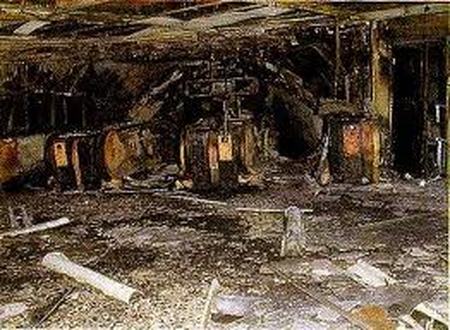
The Kings Cross fire led to big changes in Underground safety, including the phasing out of wooden escalators
Some inquiries do produce radical change - there was a huge overhaul of Underground safety as a result of Desmond Fennell's inquiry into the Kings Cross fire that killed 31 people in 1987. The Taylor report on the Hillsborough disaster brought an end to standing on terraces at football grounds, but many thought his conclusions flawed and other recommendations went unheeded.
Other hearings have seemed pointless. The Saville inquiry spent 12 years and £195m going into minute detail of the Bloody Sunday killings in Londonderry in 1973. At the beginning we knew that the Paras had opened fire on unarmed protesters, killing 26. At the end we knew that Paras had fired on unarmed protesters, killing 26 - and that Martin McGuinness had, as suspected, been one of the "bad guys" of the Troubles.. Nearly £8m per victim is a lot to pay for 'closure'.
The Franks inquiry into the Argentinian invasion of the Falklands told us that the Foreign Office had taken its eyes off the ball. Peter Carrington had drawn that conclusion in the opening days of the conflict and resigned as Foreign Secretary, taking responsibility for others' failings on his watch - something that rarely happens these days. But I guess if the country has to go to war because someone ballsed up, perhaps we should look into it.
As we did with Chilcot and Hutton: £7.5m worth of investigations into the Blair Government's approach to the Iraq escapade and we're still arguing about it a decade later. Can anyone remember what their lordships decided?
Whatever an inquiry chairman concludes, there will always be people queueing up to denounce the verdict, and if the Government doesn't like it or the public purse can't stretch to the recommended reforms, nothing much will change. In too many cases, inquiries produce only the public vilification of someone who made a catastrophic mistake while doing their job and who will have to deal with the guilt, remorse and 'if onlys' for the rest of their lives, long after everyone else has forgotten their name.
Other hearings have seemed pointless. The Saville inquiry spent 12 years and £195m going into minute detail of the Bloody Sunday killings in Londonderry in 1973. At the beginning we knew that the Paras had opened fire on unarmed protesters, killing 26. At the end we knew that Paras had fired on unarmed protesters, killing 26 - and that Martin McGuinness had, as suspected, been one of the "bad guys" of the Troubles.. Nearly £8m per victim is a lot to pay for 'closure'.
The Franks inquiry into the Argentinian invasion of the Falklands told us that the Foreign Office had taken its eyes off the ball. Peter Carrington had drawn that conclusion in the opening days of the conflict and resigned as Foreign Secretary, taking responsibility for others' failings on his watch - something that rarely happens these days. But I guess if the country has to go to war because someone ballsed up, perhaps we should look into it.
As we did with Chilcot and Hutton: £7.5m worth of investigations into the Blair Government's approach to the Iraq escapade and we're still arguing about it a decade later. Can anyone remember what their lordships decided?
Whatever an inquiry chairman concludes, there will always be people queueing up to denounce the verdict, and if the Government doesn't like it or the public purse can't stretch to the recommended reforms, nothing much will change. In too many cases, inquiries produce only the public vilification of someone who made a catastrophic mistake while doing their job and who will have to deal with the guilt, remorse and 'if onlys' for the rest of their lives, long after everyone else has forgotten their name.
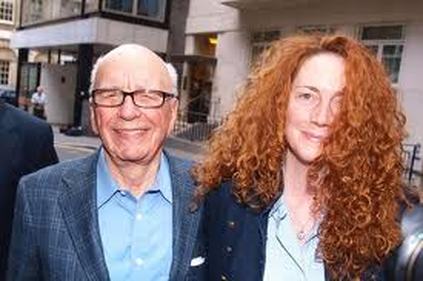
Murdoch and Brooks after the closure of the News of the World
And so to phone hacking. Rupert Murdoch has been a pantomime villain since he first stepped foot in Fleet Street (ok, technically it was Bouverie Street) in the Sixties with his purchase of the News of the World. We booed as he bought and reinvented the Sun, complete with page 3 girls. We yelled 'oh no you won't' when he wanted to buy Times Newspapers, but oh yes, he did. We hissed about cross-media ownership when he set up Sky. We cried 'foul' as he took over the Today newspaper when no one else wanted it. And, most of all, we shouted and stamped our feet when he sacked 5,000 print workers and started producing papers the way he wanted to in Wapping.
Many have suffered at his hands, but rivals who denounce him have had few qualms about following where he led. How many national newspapers are today produced using hot metal, old fashioned printers and typesetters? How many millions watch complete football matches on TV, rather than 45 minutes of edited highlights of one game on a Saturday night?
Well we have now reached the scene where the villain is tied up against the stake for his show trial with everyone relishing his discomfort.
We're also rubbing our hands with glee to see his red-haired sidekick in manacles. We never liked her much - she was too smart and glamorous by half - and she didn't do herself any favours when she cast hundreds of her crew adrift while trying to cling to her personal lifeboat. We lap up the stories of Rebekah's police horse, Rebekah and Dave's country suppers.
But is this a legitimate way to spend public money? Especially as the chances are that the next scene will begin 'with one bound he was free'.
Many have suffered at his hands, but rivals who denounce him have had few qualms about following where he led. How many national newspapers are today produced using hot metal, old fashioned printers and typesetters? How many millions watch complete football matches on TV, rather than 45 minutes of edited highlights of one game on a Saturday night?
Well we have now reached the scene where the villain is tied up against the stake for his show trial with everyone relishing his discomfort.
We're also rubbing our hands with glee to see his red-haired sidekick in manacles. We never liked her much - she was too smart and glamorous by half - and she didn't do herself any favours when she cast hundreds of her crew adrift while trying to cling to her personal lifeboat. We lap up the stories of Rebekah's police horse, Rebekah and Dave's country suppers.
But is this a legitimate way to spend public money? Especially as the chances are that the next scene will begin 'with one bound he was free'.
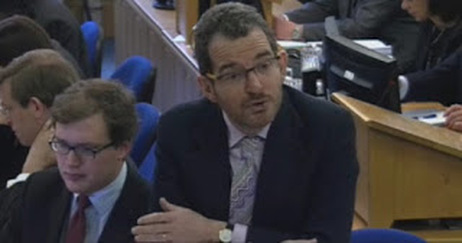
Lord Justice Leveson and Robert Jay QC are a fantastic double act; their show one of the most entertaining things on television. And my goodness, they've had some great guest stars: every national newspaper editor, every proprietor, government ministers PLUS three former prime ministers, the leader of the Opposition, the Deputy Prime Minister and today the Prime Minister himself. Wowee! What a show! How we love to see the posh boys squirm.
The only trouble is, Leveson has an impossible task: to create a new regime to regulate the Press, ie newspapers.
But what is a newspaper? Something that runs a little paragraph on the front or back paqe saying 'printed and published by...registered as a newspaper at the Post Office'? What if you don't register? What if you don't appear in print? The Guardian has stated that it sees its future in digital only. Would it be subject to any new regulation? The UK Press Gazette now appears as a weekly magazine online; is it part of "the Press"? Is this blog? What about review sites? Leveson has conceded that the Internet is the 'elephant in the room'. He can't control the web, but if that's the only platform on which you publish your journalism, are you bound by the rules that govern your newsprint rivals?
Doctors who can kill us are allowed to police themselves, but the Press can't be trusted. Nor, it seems, can the upholders of the law. Everything untoward that the News of the World folk are accused of doing is covered by existing legislation, as Ian Hislop kept telling the inquiry during his joyous morning of evidence. His point is proved by the fact that two people went to jail over Prince William's voicemail. We now have 150 coppers scurrying round investigating what went on in Wapping, arresting journalists all over the place and running up a bill which UKPG reported today is likely to end up at £30m-plus.
As a matter of interest, the Milly Dowler investigation, 'Operation Ruby', involved 100 officers and cost £6m - and still failed to nail the killer. Levi Bellfield was linked to the case only after he was arrested on another matter. Compare the spending and consider which is more important, finding a child killer or finding out who listened into Sadie Frost's phone calls?
And what about the rest of Fleet Street? Nobody's looking at them, we're all so engrossed in Murdoch. It would be naive to think that these practices were confined to News International and fingers have been pointed at the Mirror and the Mail groups, but there has been no real scrutiny.
Only today the CPS announced that it would not be prosecuting David Leigh, the Guardian's investigations executive editor, for hacking the phone of an arms company executive. Leigh not only admitted in print that he had listened to the businessman's voicemail but said that doing so had given him a 'voyeuristic thrill'. A prosecution would not be in the public interest, the CPS said.
The Telegraph may be whiter than white - or maybe it has immunity because of the MPs' expenses. That was, of course, a case of dealing in stolen goods. The Times rejected the tapes for that very reason, a decision that displeased Murdoch, as we heard during his two days of evidence to Leveson. Stolen goods or not, it quickly became clear that the Telegraph was right to take the chance, the disclosures were without a doubt in the public interest. What, then, if you hack into a phone and find that a government minister is selling secrets to China? Is it suddenly OK? Oh, the benefits of hindsight.
The only trouble is, Leveson has an impossible task: to create a new regime to regulate the Press, ie newspapers.
But what is a newspaper? Something that runs a little paragraph on the front or back paqe saying 'printed and published by...registered as a newspaper at the Post Office'? What if you don't register? What if you don't appear in print? The Guardian has stated that it sees its future in digital only. Would it be subject to any new regulation? The UK Press Gazette now appears as a weekly magazine online; is it part of "the Press"? Is this blog? What about review sites? Leveson has conceded that the Internet is the 'elephant in the room'. He can't control the web, but if that's the only platform on which you publish your journalism, are you bound by the rules that govern your newsprint rivals?
Doctors who can kill us are allowed to police themselves, but the Press can't be trusted. Nor, it seems, can the upholders of the law. Everything untoward that the News of the World folk are accused of doing is covered by existing legislation, as Ian Hislop kept telling the inquiry during his joyous morning of evidence. His point is proved by the fact that two people went to jail over Prince William's voicemail. We now have 150 coppers scurrying round investigating what went on in Wapping, arresting journalists all over the place and running up a bill which UKPG reported today is likely to end up at £30m-plus.
As a matter of interest, the Milly Dowler investigation, 'Operation Ruby', involved 100 officers and cost £6m - and still failed to nail the killer. Levi Bellfield was linked to the case only after he was arrested on another matter. Compare the spending and consider which is more important, finding a child killer or finding out who listened into Sadie Frost's phone calls?
And what about the rest of Fleet Street? Nobody's looking at them, we're all so engrossed in Murdoch. It would be naive to think that these practices were confined to News International and fingers have been pointed at the Mirror and the Mail groups, but there has been no real scrutiny.
Only today the CPS announced that it would not be prosecuting David Leigh, the Guardian's investigations executive editor, for hacking the phone of an arms company executive. Leigh not only admitted in print that he had listened to the businessman's voicemail but said that doing so had given him a 'voyeuristic thrill'. A prosecution would not be in the public interest, the CPS said.
The Telegraph may be whiter than white - or maybe it has immunity because of the MPs' expenses. That was, of course, a case of dealing in stolen goods. The Times rejected the tapes for that very reason, a decision that displeased Murdoch, as we heard during his two days of evidence to Leveson. Stolen goods or not, it quickly became clear that the Telegraph was right to take the chance, the disclosures were without a doubt in the public interest. What, then, if you hack into a phone and find that a government minister is selling secrets to China? Is it suddenly OK? Oh, the benefits of hindsight.
|
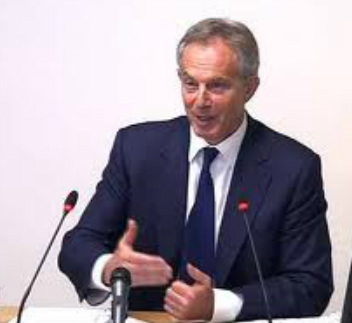
Leveson knows he's on a hiding to nothing on the ethics/regulation front: he outlined his vague thinking to Tony Blair and pretty well begged him to turn it into something workable.
He seems to be leaning towards statutory control. Wrong decision. The Tories won't buy it and his report will end up on the bottom shelf. Better to reform the existing self-regulation system and give the PCC or its successor the power to fine newspapers or suspend journalists whose behaviour is dodgy but still just about legal. The existing laws can do the rest. |
|
So how about relations with the police? It is already an offence to pay a public official; do we need further laws? Bribery legislation that came into effect last year is causing enough problems for businesses that don't know whether a bottle of scotch at Christmas or a ticket to the Olympics opening ceremony are allowable any more. The police need the Press's help with appeals to find criminals; reporters need police contacts to get the inside story. Are they allowed to buy each other a drink? How do you set the parameters? Two glasses good, four glasses bad? Read Orwell and you'll see that things do not always pan out quite as you had hoped.
Then there are the politicians. Just like the police, they need the Press. They also need the support of business, unions, ordinary people. Where do you draw the line? A woman goes to her MP's surgery to complain about the rubbish collections or to seek help with an official letter. He obliges by raising the issue in Parliament or untangling the red tape. Fine?
A film director goes to a reception at No 10 and chats about the prospects for tax breaks to help the British film industry. Is that all right?
Diageo tells the Chancellor that increases in alcohol duty are leading to a surge in booze cruises and making Britain uncompetitive. Is that above board?
The CBI lobbies the Tories for reductions in corporation tax; the unions tell Labour to change employment law. We take that for granted.
Why then, is it so terrible for newspapers - and not just the Murdoch Press - to put their agendas to ministers who may seek their endorsement come election time?
Rebekah and Dave may have been too cosy; Tony and Rupert may have been too close. But the door to No 10 wasn't closed to every other newspaper proprietor and editor. There was a time that Paul Dacre seemed to be running the country.
This inquiry is supposed to be about the whole of the Press, but the focus is squarely on Murdoch. Vince Cable was rightly stripped of his powers to decide on whether the BSkyB deal should be nodded through or examined more closely. Declaring war on Murdoch didn't exactly build confidence in his ability to deliver an impartial decision. We now know that his replacement, Jeremy Hunt, was too friendly with the Murdoch team and didn't even understand what was meant by quasi-judicial. Whatever either of them ended up deciding wouldn't have made a jot of difference to what was broadcast since News Corp already controlled the network.
The Leveson inquiry has so far cost £2m, and it has a way yet to run. Is it worth it?
Not if you listen to two people who should know. Two years ago Lord Bichard said in a debate at Gresham College, Oxford, that public inquiries were a waste of money because they had so little impact. Lord Bichard was put in charge of an inquiry into child protection issues after the murders of Holly Wells and Jessica Chapman in Soham. It ended up costing about £10m, but he said that he had to nag politicians to take any notice of his recommendations. "I regret that there seems to be a remarkable reluctance to adapt to the changes identified by these inquiries in so many professions," he said.
Lady Justice Smith, who ran the £21m inquiry into the Harold Shipman murders, felt much the same. "Positive
Then there are the politicians. Just like the police, they need the Press. They also need the support of business, unions, ordinary people. Where do you draw the line? A woman goes to her MP's surgery to complain about the rubbish collections or to seek help with an official letter. He obliges by raising the issue in Parliament or untangling the red tape. Fine?
A film director goes to a reception at No 10 and chats about the prospects for tax breaks to help the British film industry. Is that all right?
Diageo tells the Chancellor that increases in alcohol duty are leading to a surge in booze cruises and making Britain uncompetitive. Is that above board?
The CBI lobbies the Tories for reductions in corporation tax; the unions tell Labour to change employment law. We take that for granted.
Why then, is it so terrible for newspapers - and not just the Murdoch Press - to put their agendas to ministers who may seek their endorsement come election time?
Rebekah and Dave may have been too cosy; Tony and Rupert may have been too close. But the door to No 10 wasn't closed to every other newspaper proprietor and editor. There was a time that Paul Dacre seemed to be running the country.
This inquiry is supposed to be about the whole of the Press, but the focus is squarely on Murdoch. Vince Cable was rightly stripped of his powers to decide on whether the BSkyB deal should be nodded through or examined more closely. Declaring war on Murdoch didn't exactly build confidence in his ability to deliver an impartial decision. We now know that his replacement, Jeremy Hunt, was too friendly with the Murdoch team and didn't even understand what was meant by quasi-judicial. Whatever either of them ended up deciding wouldn't have made a jot of difference to what was broadcast since News Corp already controlled the network.
The Leveson inquiry has so far cost £2m, and it has a way yet to run. Is it worth it?
Not if you listen to two people who should know. Two years ago Lord Bichard said in a debate at Gresham College, Oxford, that public inquiries were a waste of money because they had so little impact. Lord Bichard was put in charge of an inquiry into child protection issues after the murders of Holly Wells and Jessica Chapman in Soham. It ended up costing about £10m, but he said that he had to nag politicians to take any notice of his recommendations. "I regret that there seems to be a remarkable reluctance to adapt to the changes identified by these inquiries in so many professions," he said.
Lady Justice Smith, who ran the £21m inquiry into the Harold Shipman murders, felt much the same. "Positive
|
|
proposals can be very slow to emerge and even if they eventually do, they are often diluted," she said. "It's a source of great regret to me."
The phone hacking scandal and belated police investigation have clipped Murdoch's wings and forced him into changes - as well as costing his company more than $100m. His son has lost all hope of inheriting his mantle; a newspaper with a long history and unique reputation has been killed off; trusted lieutenants have had to resign and some could even face jail. All of that happened or was in train before Leveson started. It seems to me that this is ample evidence that mechanisms exist to deal with wrongdoing within the industry. It was exposed by industry - the Guardian - and dealt with by the existing forces of the law and commercial imperatives.As Hislop says, we just need to use the powers we already have a bit more efficiently. The inquiry may have started as a 'get Rupert' witch-hunt, but it is David Cameron, with his lapses of judgment on Coulson, Brooks and Hunt, who may rue the day he set it up. |
And so, as we close another week of celebrity evidence, here are a couple of final observations:
1: About 200 News of the World journalists lost their jobs when the paper closed. Many were re-employed at the Sun. In the fallout more than a hundred Times and Sunday Times workers also lost their jobs. One explanation was that the company had taken on premises at Thomas More Square in the expectation that four newspapers would share the costs; when there were only three, it was time for belt-tightening all round.
Murdoch told Leveson that he should have closed the NoW years ago and replaced it with a Sunday edition of the Sun. So even as he stands lashed to the stake, he still comes out with one result he always wanted.
2: One of the prime anti-NI cheerleaders is Tom Watson, a Labour MP and member of the Commons Culture, Media and Sport Select Committee. He regards the behaviour of Murdoch and his staff as beyond the pale. He may well be right, but what of his own behaviour?
When details of MPs' expenses were published in full after the Telegraph blew the issue wide open with tales of duck houses and 30p plugs charged to the taxpayer, it emerged that Mr Watson and fellow MP Iain Wright had spent £100,000 of our money on the purchase and furnishing of a Westminster flat. Unfortunately, they were unable to claim the cost of their dining room suite because it went over the allowance. But Mr Watson did charge the full £4,800 a year for feeding himself - and the pair also used our money to buy the freehold of the flat. That will have made it more valuable, but Mr Watson and Mr Wright will be perfectly entitled to keep any profit they make on a future sale.
Very ethical. Perhaps there should be a public inquiry.
1: About 200 News of the World journalists lost their jobs when the paper closed. Many were re-employed at the Sun. In the fallout more than a hundred Times and Sunday Times workers also lost their jobs. One explanation was that the company had taken on premises at Thomas More Square in the expectation that four newspapers would share the costs; when there were only three, it was time for belt-tightening all round.
Murdoch told Leveson that he should have closed the NoW years ago and replaced it with a Sunday edition of the Sun. So even as he stands lashed to the stake, he still comes out with one result he always wanted.
2: One of the prime anti-NI cheerleaders is Tom Watson, a Labour MP and member of the Commons Culture, Media and Sport Select Committee. He regards the behaviour of Murdoch and his staff as beyond the pale. He may well be right, but what of his own behaviour?
When details of MPs' expenses were published in full after the Telegraph blew the issue wide open with tales of duck houses and 30p plugs charged to the taxpayer, it emerged that Mr Watson and fellow MP Iain Wright had spent £100,000 of our money on the purchase and furnishing of a Westminster flat. Unfortunately, they were unable to claim the cost of their dining room suite because it went over the allowance. But Mr Watson did charge the full £4,800 a year for feeding himself - and the pair also used our money to buy the freehold of the flat. That will have made it more valuable, but Mr Watson and Mr Wright will be perfectly entitled to keep any profit they make on a future sale.
Very ethical. Perhaps there should be a public inquiry.